
December 9, 2025
Discover how aerodynamic add-ons like roof fairings, side skirts, and trailer tails can reduce drag, boost fuel efficiency, and cut operational costs for heavy-duty trucks across highways.
.jpg)
The Role of Aerodynamic Add-Ons in Trucking
Aerodynamic add-ons have become more than just optional—they’re strategic. Let’s break down how these components work, which ones make the most impact, and why truckers should pay close attention.
Understanding Aerodynamic Drag
Aerodynamic drag is the resistance a vehicle experiences as it moves through air. At highway speeds, this drag becomes a significant force that your engine has to work against. The higher the drag, the harder your engine has to push, and the more fuel it burns.
For heavy-duty trucks, which often operate with large frontal surfaces and tall trailers, aerodynamic drag accounts for nearly 50% of total fuel consumption at highway speeds. Even small improvements in drag coefficient can translate to big savings over the long haul.
The Science Behind Aerodynamic Add-Ons
The idea is simple: streamline the airflow around the truck and trailer to reduce turbulence and resistance. Aerodynamic components work by either:
- Smoothing airflow
- Preventing it from creating pressure pockets that slow the vehicle down
When implemented correctly, these modifications can increase fuel efficiency by up to 10%, depending on the configuration and driving conditions. Over the course of a year, that can equate to thousands of dollars in fuel savings for a single rig.
Key Aerodynamic Add-Ons to Consider
- Roof Fairings: These are mounted on the cab’s roof to direct airflow over the trailer instead of slamming into the front wall. Without them, the flat front of a trailer acts like a wind wall, increasing drag significantly.
- Side Fairings (Skirts): Installed along the sides of the trailer beneath the cargo bed, these fairings block crosswinds from undercutting the trailer. By reducing underbody turbulence, they provide a smoother passage for airflow, boosting fuel efficiency by up to 7%.
- Trailer Tails (Rear Fairings): These collapsible extensions mount at the rear of the trailer, tapering the air as it leaves the vehicle. Instead of creating a vacuum at the back that pulls the trailer rearward, trailer tails help air exit cleanly, reducing drag and improving fuel economy by 4% to 6%.
- Wheel Covers: Aerodynamic wheel covers reduce turbulence caused by exposed rims and tire patterns. While their benefit is smaller compared to larger add-ons, every little bit counts when striving for optimal fuel economy.
- Gap Reducers: The space between the cab and trailer is a known source of drag. Gap reducers—rubber or plastic panels installed in this area—allow smoother airflow from tractor to trailer.
Practical Considerations for Fleets in Texas
Highway Conditions in Central Texas
With long, flat stretches of highway between cities like San Antonio and Austin, trucks spend more time at cruising speeds—where aerodynamics have the biggest effect. The smoother the airflow, the less energy required to maintain speed.
Weight vs. Efficiency
One concern with add-ons is the additional weight they may introduce. However, modern aerodynamic kits are made from lightweight composite materials. The minor weight increase is far outweighed by the fuel savings realized over time.
Maintenance and Durability
Aerodynamic add-ons are generally low-maintenance but should still be inspected regularly. Components like trailer tails are prone to damage during docking maneuvers, and loose side skirts can cause road safety issues. Ensuring proper installation and conducting regular inspections during preventive maintenance checks are key.
Regulatory Influence and Incentives
Organizations such as the EPA (Environmental Protection Agency) advocate for improved aerodynamics in freight transport. While not all mandates are federal, many shippers and carriers seek compliance voluntarily to improve sustainability scores, bid on green freight contracts, and reduce emissions.
Incentives may also be available for fleets that adopt fuel-saving technologies, including aerodynamic kits. For example, participating in the EPA’s SmartWay program offers cost-saving opportunities while helping your fleet meet growing environmental standards.
Real-World Fuel Savings: Let the Numbers Talk
Let’s say a heavy-duty truck averages 6 mpg over 120,000 miles per year. If aerodynamic add-ons improve efficiency by just 8%, that results in an extra 9,600 miles per year in range—saving approximately 1,600 gallons of diesel. At $4 per gallon, that’s a potential annual savings of $6,400 per truck.
Multiply that by five trucks, and you're looking at $32,000 in savings annually. Over time, those numbers scale impressively.
Implementation Tips for Fleet Owners
- Start with roof fairings and side skirts—they offer the highest return on investment.
- Work with certified installers to ensure proper fitment and compliance.
- Track fuel economy before and after installation to calculate ROI.
- Include aerodynamic checks during your regular preventive maintenance routines.
- Train drivers on how to handle add-on components properly during docking and inspections.
Cut Costs With Smarter Aerodynamics
In the world of long-haul trucking, investing in aerodynamic add-ons is a strategic move. From San Antonio to Austin and across the open highways of Texas, streamlining airflow can be the difference between surviving and thriving in the competitive freight market. Properly selected, installed, and maintained, these components offer substantial long-term gains.
AFS News & Articles
Read About The Latest in Industry
Here, you'll find regular articles covering a wide range of topics related to diesel repair, maintenance, and troubleshooting. Whether you're an operator, fleet manager, or diesel engine enthusiast, you'll find something of interest here.
.jpg)
The Benefits of Window Tinting
Window tinting boosts fleet vehicle safety, reduces heat and glare, protects interiors from UV damage, and lowers HVAC costs—making it a smart, long-term upgrade for trucks operating in sunny Texas climates.
.jpg)
How to Improve the Longevity of Your Truck’s Transmission
Extend your truck’s transmission life with proper fluid care, heat management, preventive maintenance, and smart driving habits. Learn essential tips to avoid costly breakdowns and keep your fleet running reliably in Texas.
.webp)
How to Prevent Rust and Corrosion in Heavy-Duty Trucks
Rust and corrosion silently threaten heavy-duty trucks, especially in coastal or high-salt areas. Prioritize regular underbody washes, rust-inhibitor sprays, and early surface rust repairs. Protect key systems like brake lines, frames, and battery grounds with targeted maintenance and corrosion-resistant materials to ensure safety, reliability, and longer fleet life.
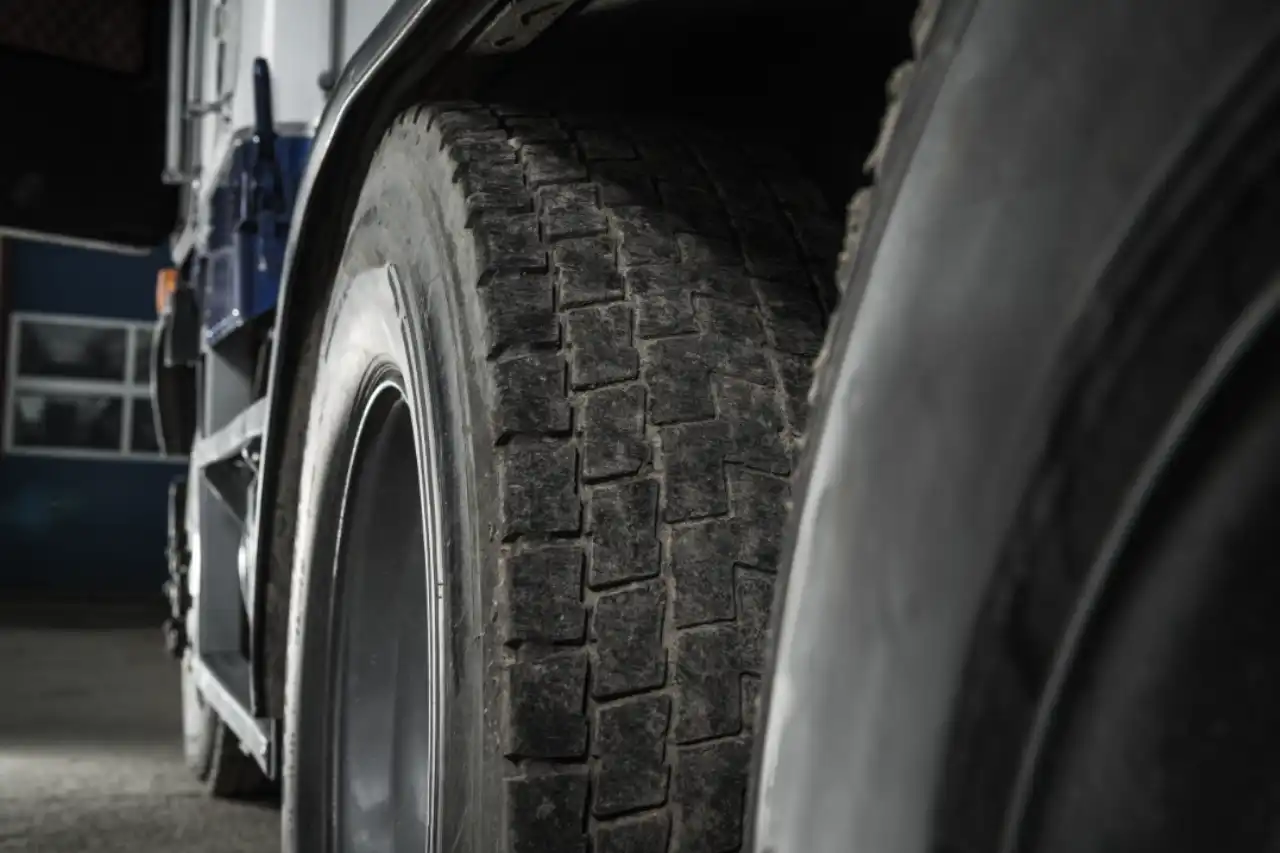
The Importance of Regular Truck Tire Inspections
Regular truck tire inspections improve fuel efficiency, prevent costly blowouts, ensure DOT compliance, and extend tire lifespan. Stay proactive to keep your fleet running safely.
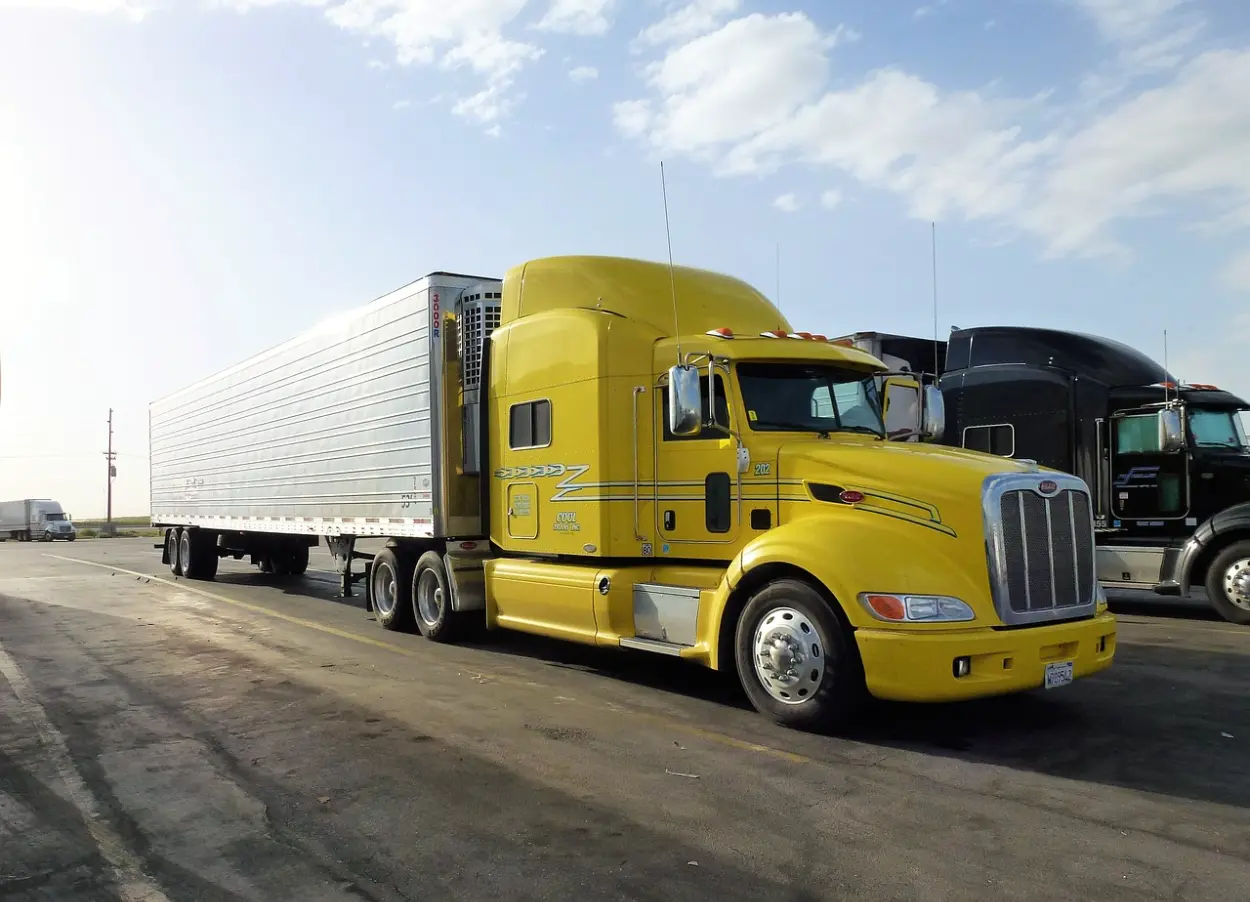
When to Replace Your Truck’s Air Filters: Key Signs
Replace your truck's air filter when you notice reduced fuel efficiency, loss of engine power, black exhaust smoke, unusual noises, or visible dirt. Regular checks every 10,000-15,000 miles and using quality filters help maintain engine performance, reduce emissions, and prevent costly repairs.
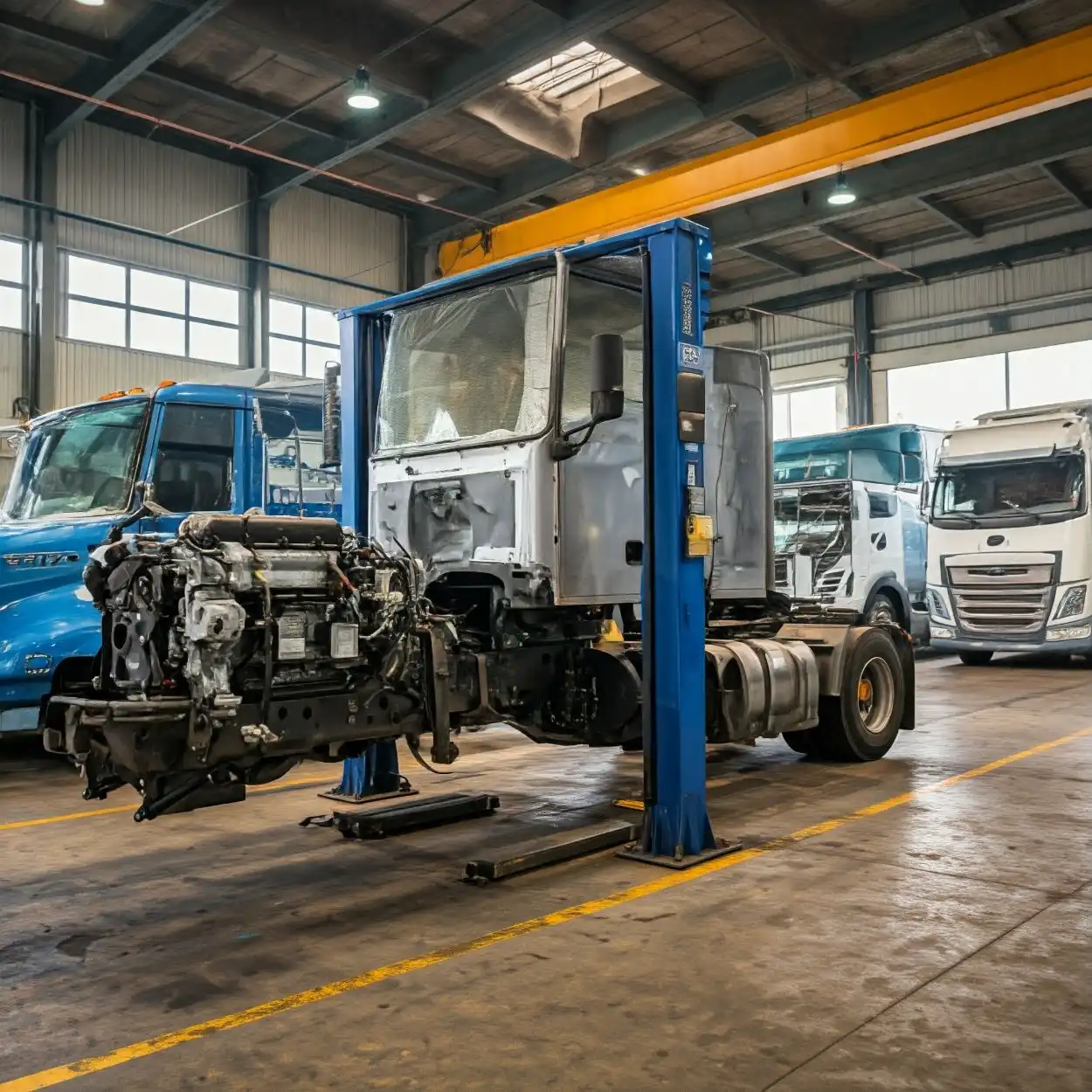
Top 5 Common Diesel Engine Problems and Their Solutions
Learn about the top 5 common diesel engine problems like hard starts, black smoke, and overheating, and their solutions for drivers in Austin and San Antonio, TX.

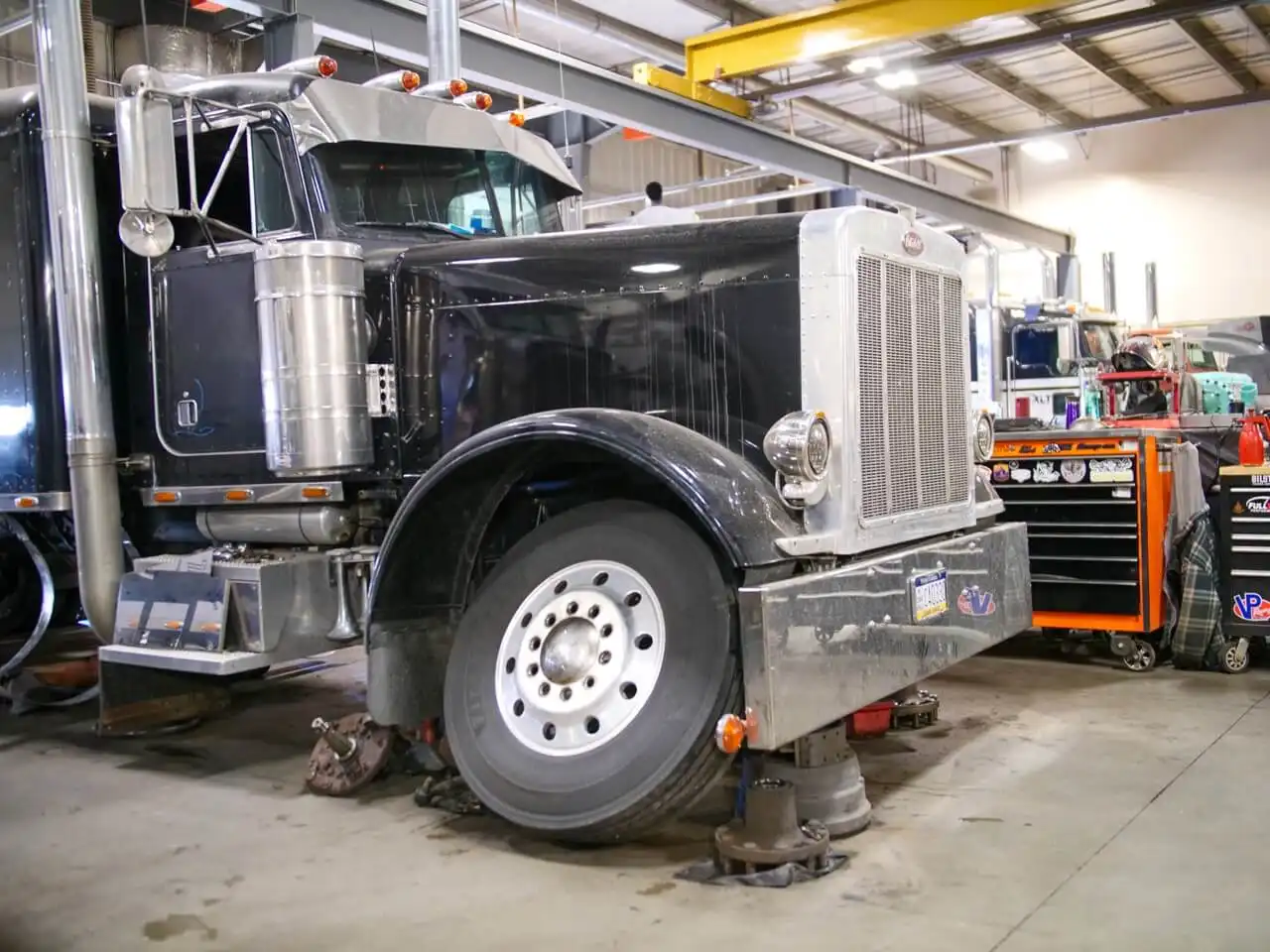

4 Diagnostic Tips and Tricks to Overcome EGR & DPF Issues
Beat downtime & repair costs! Learn how to diagnose & fix EGR & DPF problems in your commercial trucks. Includes cleaning methods, preventative tips & more.
.webp)
The Latest Advancements & Benefits of Diesel Technology
Diesel engines are an essential part of our daily lives, powering everything from cars and trucks to trains and boats.
Why Choose AFS Truck & Auto Repair Center?
Our Patented Service Vehicles are specially designed and equipped to perform 85% of all vehicle maintenance and repair requirements on site.
"William is a awesome guy. He did a great job. Called about the tandem axle not sliding and helps me fixed some other little issue. I definitely recommend austin fleet services"
"These guys are great, had an emergency with a DEF pump on a black Friday, only shop that picked up the phone, took my driver in immediately and didn't give me the runaround like most do now. I asked not to diagnose anything and just change the pump. Truck back on the road in 3-4 hours and saved us at least 3 days waiting for another shop to open. Definitely coming back here next time our trucks are in the area!"
"Outstanding experience with AFS and George, their knowledgeable mechanic who replaced my valve cover gasket. My vehicle is running smoother than ever. Thank you AFS!"
Contact AFS Truck & Auto Repair Center
Get in touch with AFS Truck & Auto Repair Center today to schedule service in-shop in San Antonio or Austin & Pflugerville, Texas, or via mobile service in the surrounding areas.
Pflugerville, TX 78660
San Antonio, TX 78219